Paper Over the Feed: Five Japanese Skate Zines Worth Chasing Down in 2026
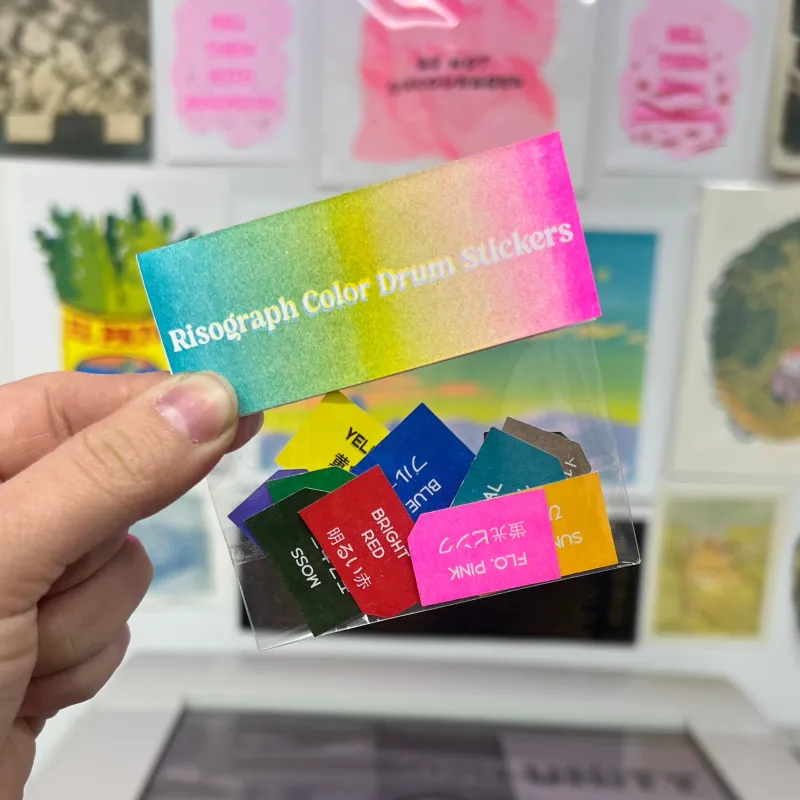
Photo: risograph printed zine stack skateboarding photography table, via i.pinimg.com
You have scrolled the same trick a thousand times. Same spot, same angle, same caption format, same fifteen-second lifespan. Skate media has never been more abundant and never felt more disposable.
That is exactly why the print side of the Japanese scene has started showing up in American riders' mailboxes. Small zines, photocopied or risograph-printed, stapled by hand, mailed in a padded envelope with a stamp and a note. They are slow, imperfect, and impossible to scroll past.
Here are five worth chasing in 2026. Some you will find through a shop that stocks imports, some only through a direct message and a PayPal transfer, and a couple you will have to trade for.
1. A photo zine built around gaps between buildings
Black and white, no captions, no rider names. Just the narrow spaces between buildings, stair sets, drainage channels, and the kind of Tokyo micro-spots that never make it into a full-length video because the approach is twelve feet of nothing. The point is documentation as an act of care: somebody looked at that ledge hard enough to print it.
Why it matters: it teaches you to see the throwaway spots. American riders who collect it tend to come back from their own cities with a longer list of things to skate.
2. A risograph crew zine with interviews that go on too long
Two colors, visible misregistration, staples slightly crooked. Inside are long interviews with skaters who are not sponsored and not trying to be, plus hand-drawn maps of the neighborhoods they actually skate. Half of it reads like a phone call you were not supposed to hear.
Why it matters: it is a reminder that a scene is made of personalities, not a roster. There is no brand page to tag at the bottom.
3. A walking-route zine disguised as a spot guide
Forty pages of routes through one ward, drawn in pencil, with notes about when the security guard changes shift and where the good light is at 4 p.m. It is less a spot map than a record of how somebody spends their afternoons.
Why it matters: it is the anti-Google Maps approach to street skating. You learn a place by walking it, not by pinning it.
4. A text-heavy essay zine about street culture
Very few photos. Mostly writing about ownership, gentrification, and what happens to a spot when it becomes famous. Some of it is translated, some of it is not, and the untranslated pages are weirdly part of the appeal.
Why it matters: it treats skateboarding as culture worth arguing about rather than content worth posting.
5. A tiny one-session zine that comes out whenever it comes out
Usually twelve pages. One session, one crew, one afternoon. Photocopied at a convenience store, folded by hand, run of maybe 100. There is no schedule and no announcement. It appears, it sells out, it is gone.
Why it matters: it is the clearest possible rejection of the content calendar. Nobody is optimizing anything.
Why Print Still Wins in 2026
Print zines solve a specific problem American skate media has not solved: they are finite. You cannot infinitely refresh them, so you actually look at them. You notice the sequencing. You notice that somebody chose the third photo instead of the second. You keep it on a shelf and pull it out when you are bored in a way that a feed cannot fix.
They are also, frankly, better at capturing street culture than most video edits, because they are made by people who are not trying to grow an audience. The economics are tiny. A run of 200 copies that sells for the price of two coffees is not a business. It is a letter to about 200 people.
How to Actually Get Them
- Follow the printers, not the influencers. Risograph studios in Tokyo and Osaka post their clients' work constantly. That is where new zines surface first.
- Check small skate shops that stock imports and bookstores that carry art books. Even a couple of copies means the buyer is paying attention.
- Buy direct when you can. Many makers sell through a simple order form and ship internationally. Expect a few weeks and expect the shipping to cost more than the zine.
- Trade. Zine swaps are alive and well. Send one of your local scene's photocopied efforts and you will usually get something back.
- Buy two, give one away. That is how a scene grows without a growth strategy.
The feed is free and infinite and you will not remember any of it in five years. A zine costs twelve dollars, arrives folded, smells like ink, and somehow ends up being the thing you show people when they ask what skating is like where you live.