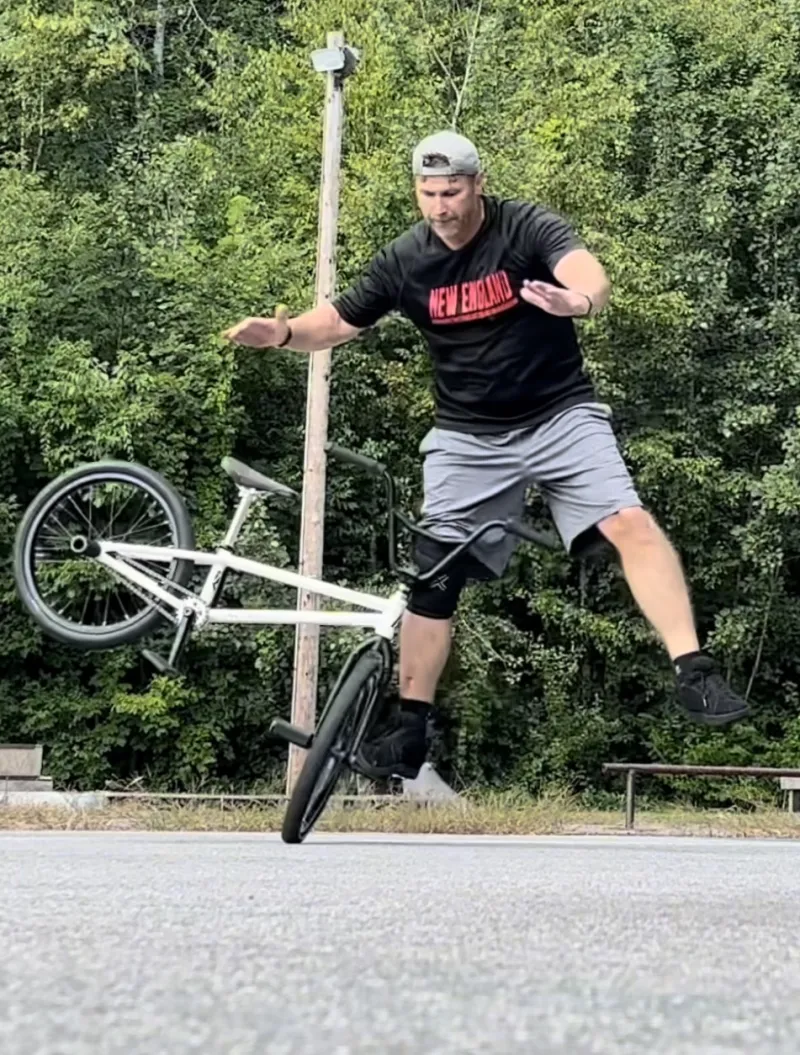
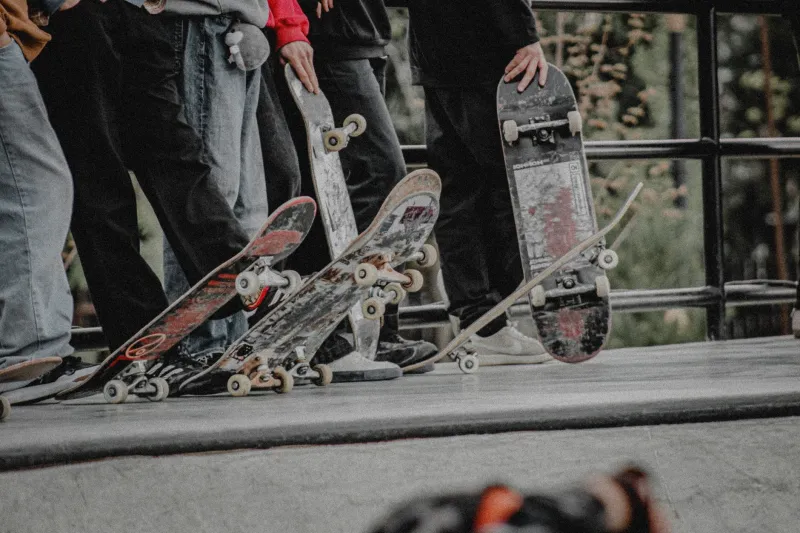
Let the Street Talk: Why Japanese Skate Edits Trust Silence More Than Soundtracks
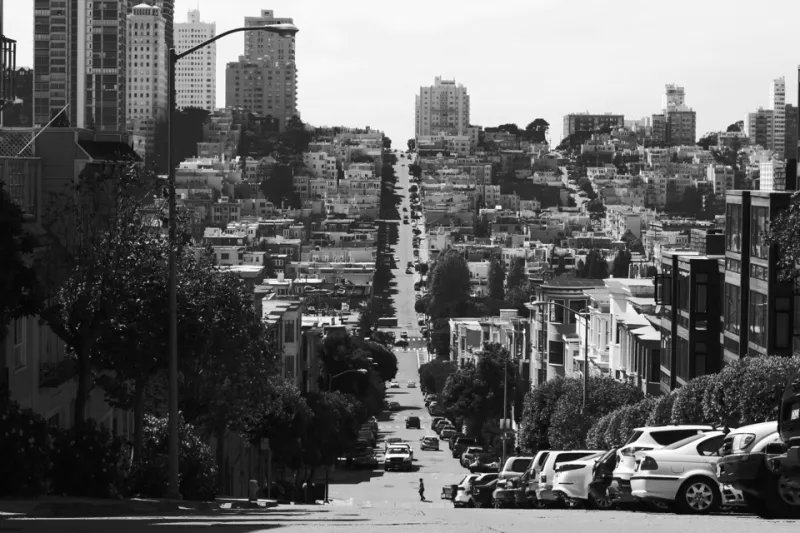
Photo: Joshua Newton joshuanewton, CC0, via Wikimedia Commons
Open any big American skate edit from the last couple of years and you can predict the first thirty seconds. A hype clip, a hard cut on the snare, a fisheye push-in, a soundtrack mixed loud enough to bury the wheels. It looks expensive. It sounds like everything else. And by the two-minute mark, most of us could not tell you what the spot sounded like, what the weather was doing, or whether the rider even breathed hard before the trick.
That is the thing Japanese skate videos keep getting right and American filmmakers keep trading away. Not budget. Not gear. Attention.
The Loudness Problem
There is a real craft issue buried under all the hype. Modern edits are mixed like trailers: music pushed to the ceiling, ambient audio either muted or replaced, cuts landing every two to four seconds so nothing ever sits still long enough to be boring. It works for a first watch on a phone. It ages terribly.
Think about the edits you actually rewatch. It is rarely the one with the biggest track. It is the one where you can hear the pop, the tail scrape on the catch, the roll-away rattling over a cracked curb. That texture is free. You just have to stop deleting it.
Japanese videographers working the street scene tend to treat sound as a second camera. A train passing mid-clip is not a mistake to be scrubbed out. It is evidence that the spot exists in a real city on a real afternoon.
What the Japanese Approach Actually Looks Like
Strip away the romanticizing and there are a few concrete habits worth stealing.
The trick breathes on both sides. Instead of cutting in at the moment of pop, Japanese editors often hold three or four seconds of approach and two or three of roll-away. You get the wind-up, the landing, the look back. The trick stops being a stunt and becomes a moment.
Music sits under the street, not over it. In a lot of these edits the track is mixed low enough that ambient audio leads. Wheels, voices, wind, a distant scooter. When the song does lift, it means something, because it has not been blasting since frame one.
Negative space is deliberate. Long static shots. A walk to the spot. An empty parking lot before anyone lands anything. American editors call this dead air and cut it. Japanese editors call it setup.
One trick, one clip, one identity. Single-trick clips with titles instead of rapid-fire montages. Another skater, another spot, another two minutes. It rewards the part of your brain that actually remembers things.
The rider's rhythm is the edit's rhythm. If someone skates slow and deliberate, the edit moves slow and deliberate. The video follows the skater instead of forcing the skater into a template.
Three Fixes You Can Make This Weekend
You do not need a new camera or a color grade. You need a couple of small decisions.
- Record clean audio at every spot, always. Even if you never use it. A phone in your pocket with the mic pointed at the ground gets you 70 percent of the way there. Drop it into the timeline before you touch music.
- Cut the track by six decibels in the trick sections. Listen back on earbuds. If you can hear the landing, you are close. If you cannot, keep going.
- Add two seconds to the front and back of three clips. Just three. Watch how differently the section reads. Most people find they need one more second than they thought.
The Argument for Boring
There is a fear in American skate media that quiet equals amateur. That if the edit does not announce itself, nobody will watch. But the algorithm rewards the first three seconds and then forgets you forever. Texture is what gets a video passed around in group chats two years later.
The Japanese street scene has been making patient, low-budget, deeply watchable videos for a long time, largely because the people behind the lens are also the people who skate those spots. They are not making content. They are keeping a record. That difference shows up in the pacing, in the sound, in how long the camera is willing to sit still.
You can still have a hype edit. You can still have your drop. But if the goal is a video that feels like a place instead of a playlist, the lesson is simple: turn the music down, hold the shot, and let the street get a word in.