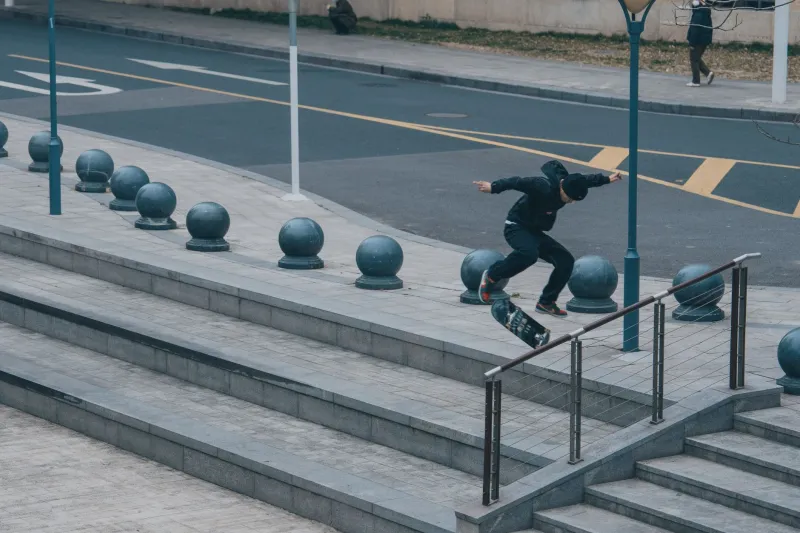
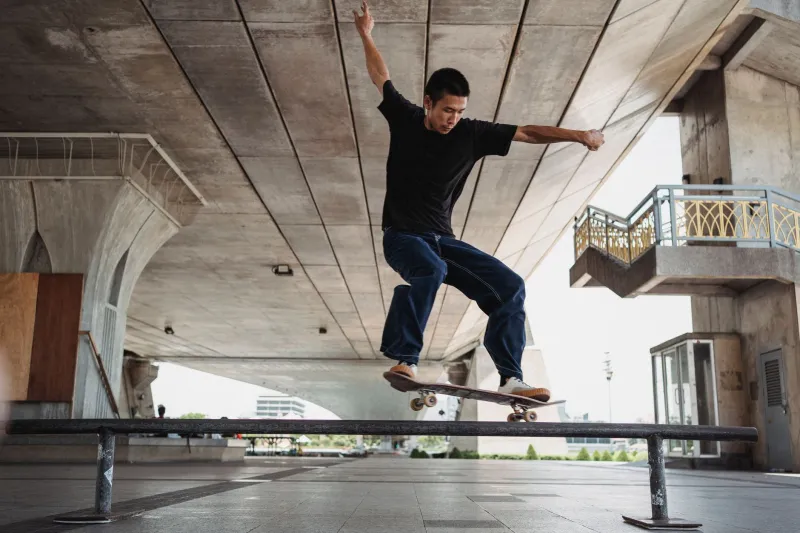
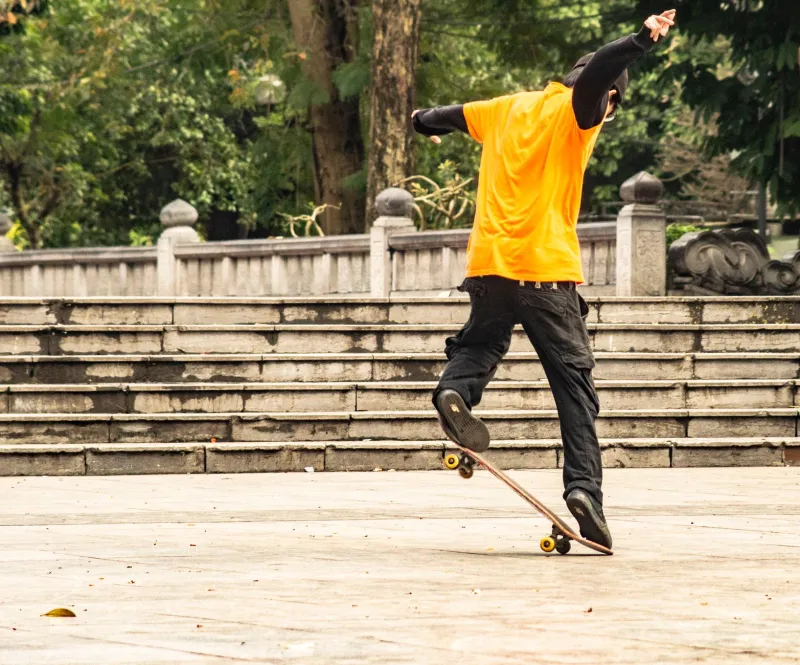
5 AM and Empty: The Japanese Early Session Philosophy That's Changing How American Skaters Train
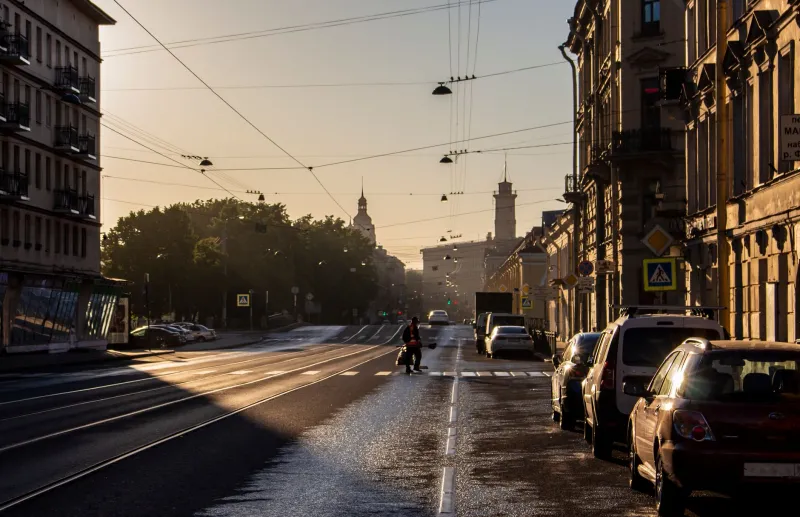
Most skaters in the US set their alarms for when the session is already rolling — noon at the earliest, golden hour if they're feeling cinematic about it. The idea of dragging yourself out before sunrise, lacing up while it's still dark, and rolling through empty streets before a single coffee shop opens its doors sounds more like punishment than passion.
But in Japan, particularly in cities like Tokyo, Osaka, and Nagoya, a quiet movement has been building for years. Skaters who want to actually improve — not just post clips — have been setting their alarms for 4:45 AM, heading to their local spot, and skating in near-total silence until the city catches up with them. And a growing number of American riders who've either visited Japan or connected with Japanese skaters online are bringing that same ritual back home. What they're finding is something that no coach or YouTube breakdown fully prepared them for.
It's Not About the Spot. It's About the State.
The first thing people assume about early-morning sessions in Japan is that they're logistical — a workaround for crowded plazas, tourist-heavy spots, or strict security that clocks in at 9 AM. And sure, that's part of it. Anyone who's tried to get a clean line at a busy urban spot in Shinjuku at noon knows the chaos. But Japanese skaters who practice this consistently are pretty direct about what's actually going on: the timing creates a mental environment that daytime skating just can't replicate.
When there's no one watching, something shifts. The performative layer — the part of your brain quietly tracking who's around, whether someone's filming, how your style looks — goes quiet. What's left is just you, the concrete, and whatever trick you're trying to figure out. Japanese skate culture places real value on what you might loosely translate as mushin — a state of mind where conscious thought stops interfering with physical movement. Early morning sessions aren't labeled that way out loud, but the conditions they create are almost tailor-made for it.
What American Riders Are Actually Experiencing
Talk to American skaters who've started rolling at dawn — whether inspired by a Japan trip or just burned out on the usual session energy — and the feedback is surprisingly consistent. The first thing almost everyone mentions isn't the tricks they landed. It's how differently they heard themselves skate.
The sound of a board on concrete carries completely differently at 5 AM in an empty parking structure versus 2 PM when there's ambient noise everywhere. You start noticing things — the way your weight distribution affects your pop, the sound of a wheel catching wrong on a landing, the rhythm of your push. It's the kind of feedback loop that gets completely buried in a normal session. Riders who've been skating for years describe genuinely learning things about their own technique during these quiet hours that years of regular skating hadn't surfaced.
There's also something to be said for the absence of social stakes. Skateboarding in the US — especially in cities — carries a whole performance layer that most riders don't even consciously register anymore. Early morning removes it almost entirely. Nobody's out there. You can try the same thing thirty times without feeling watched. You can fall badly and just get up. You can skate slow and deliberate without it reading as timid.
The Plateau Problem
One of the more compelling reasons American skaters are gravitating toward this approach is plateau-breaking. Progression in skating tends to hit these frustrating walls — you're landing your tricks consistently enough that they feel locked in, but you're not moving forward. The standard response is to push harder, session more, try the next thing before the current thing is really dialed.
Japanese skaters — and particularly the older generation of street skaters who've been at it for two or three decades — often approach plateaus differently. Rather than escalating the difficulty, they pull back and rebuild the foundation with more attention. Early morning sessions are a tool for that. When you're not chasing clips or keeping up with the energy of a crew, you naturally skate at a pace that lets you actually feel what you're doing. That's where the plateau starts to crack.
American riders adopting this approach talk about returning to basics in a way that doesn't feel like regression. Flatground work at dawn hits differently than flatground work in the middle of a session when everyone's already warmed up and moving on to bigger stuff. The context changes what it means.
The City as a Different Animal Before 7 AM
There's also a straight-up sensory argument for early sessions that goes beyond the mental side. American cities — especially the ones with legitimate street skating scenes like LA, Chicago, New York, Philadelphia — transform before sunrise in ways that most skaters never see. The marble ledges outside corporate plazas that are security-patrolled by 8 AM are completely open at 5. The parking garage that floods with cars by mid-morning is a ghost town at dawn. The rough patches and wax spots that are invisible in normal foot traffic become readable.
Japanese skaters in dense urban environments learned out of necessity to treat the city as a time-based puzzle. Different spots are available at different hours, and the early window opens up geography that the rest of the day locks away. American riders are starting to map their cities the same way — not just asking where to skate, but when, and what that timing unlocks both physically and mentally.
The Re-Entry Point
Maybe the most honest thing longtime skaters say about early morning sessions is that they reconnect them to something they thought they'd lost. Skateboarding at the beginning — before crews, before clips, before the whole social architecture of it — was a pretty solitary thing. You and a board and a driveway and a lot of time. The early session brings some of that back without being precious about it.
It's not about nostalgia. It's about remembering why the movement itself is interesting, separate from everything that's grown up around it. Japanese skate culture holds onto that thread pretty deliberately. The quiet sessions before the city wakes up are part of how.
If your skating has started to feel more like an obligation than a compulsion, setting your alarm a few hours earlier might be the weirdest and most effective adjustment you haven't tried yet.