Board as Heirloom: How Japanese Craft Philosophy Is Turning American Skaters Into Gear Keepers
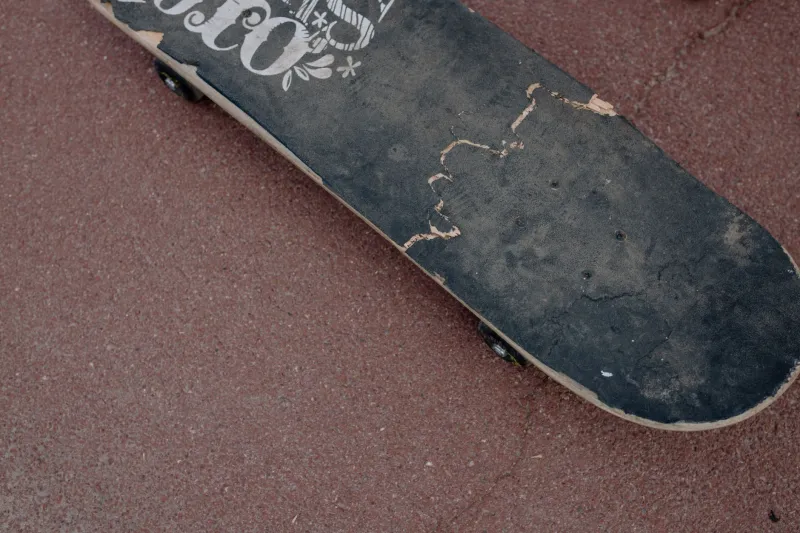
There's a skateboard sitting in a shop in Portland, Oregon that's been in active use for three years. Not as a wall decoration. Not a collectible. It gets ridden, hard, multiple times a week. The deck has been redrilled and re-gripped twice. The trucks have been rebuilt from axle to baseplate. The wheels have been rotated, the bearings cleaned and re-lubed more times than the owner can count. It looks its age. It also rides exactly the way its owner wants it to.
This isn't nostalgia. It's philosophy — and it has a Japanese address.
The Disposable Cycle
Let's be honest about how most American skaters relate to their gear. A deck is good until it's not — until it chips, waterlogs, or loses its pop — and then it's gone. The average serious street skater might go through eight to twelve decks a year without thinking twice. Trucks get replaced when they feel even slightly off. Wheels hit the trash long before they're actually dead. This isn't laziness or carelessness. It's the culture the industry built, and it's been enormously profitable for everyone selling product.
But it also means most American skaters never develop a deep relationship with any particular setup. The gear is always in flux. There's always something newer, something slightly different in the shop. And with it comes a kind of perpetual gear restlessness — the sense that maybe the next deck is the one that'll finally feel right.
Enter Monozukuri
In Japan, the concept of monozukuri — roughly translated as "the art of making things" — carries connotations that go far beyond manufacturing. It implies care, mastery, and a long-term relationship between craftsperson and object. Things made well deserve to be maintained well. Wear is not failure; it's evidence of use and attention.
This mindset filters into Japanese skate culture in ways that are immediately visible if you know what to look for. Japanese riders — particularly those in the street scene — tend to develop intimate knowledge of their setups. They tune rather than replace. They modify rather than discard. A pair of trucks that an American rider might swap out after six months of wear might get rebuilt, re-bushinged, and tightened to spec by a Japanese counterpart who's been riding them for three years.
The result isn't just cost savings. It's a fundamentally different relationship with the tool of the sport.
What American Builders Are Doing About It
Across the US — in skateshops, garages, and small-batch workshops — a community of riders is beginning to build around these principles. They share bearing-cleaning tutorials and truck-rebuild guides online. They talk about deck longevity in terms of grain orientation and glue quality. They're learning to re-drill and re-grip with the same care a luthier brings to a guitar neck.
Marcus T., a skater and part-time woodworker based in Austin, Texas, started pressing his own decks two years ago after getting deep into Japanese woodworking content online. "I got obsessed with the idea of knowing exactly what I was riding," he says. "Not just the brand name — the actual wood, the concave, the geometry. Once you build something yourself, you treat it completely differently. You don't just throw it away because it got a chip."
His current deck has been in rotation for seven months. He's re-gripped it once and repaired two stress cracks with wood glue and clamps. "It's got memory now," he says. "It knows how I skate."
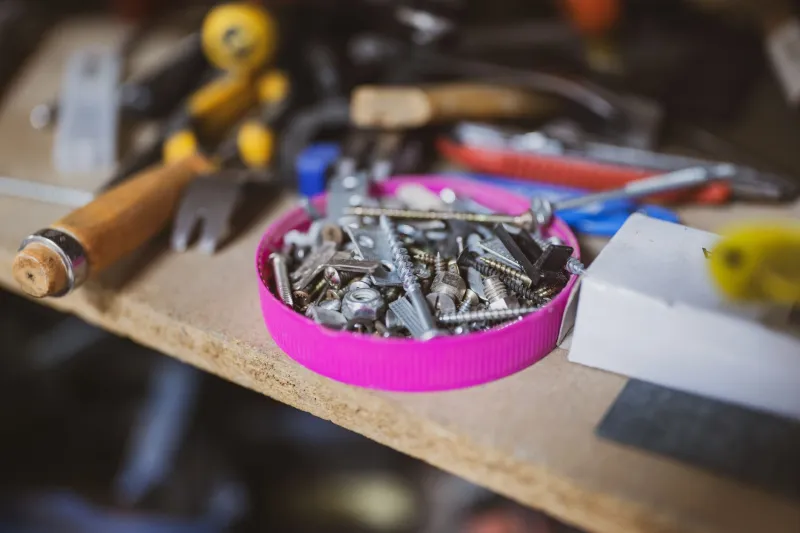
In Seattle, a small collective called Steady Build has been hosting monthly "repair sessions" where riders bring worn gear for collective maintenance rather than replacement. Trucks get disassembled and cleaned. Bearings get inspected. Wheels get measured for uneven wear. The vibe is part skate session, part workshop, part community hang. The waiting list to attend is currently three months long.
The Counter-Trend Nobody Expected
What's interesting is that this movement is emerging at exactly the moment when the skate industry is more product-saturated than ever. There are more deck brands, more truck options, more wheel compounds than at any point in the sport's history. The infrastructure for endless replacement has never been more efficient.
And yet here are riders choosing to opt out of the cycle — not because they can't afford new gear, but because they've found something more satisfying in the maintenance relationship. There's a mastery in knowing your setup intimately enough to tune it rather than replace it. There's a kind of confidence that comes from riding something you understand completely.
Japanese skate culture didn't invent this idea — there have always been riders who ran the same trucks forever out of stubbornness or frugality. But the philosophical framing that Japan offers gives it a different weight. It's not about being cheap. It's about being intentional.
The Practical Side
Beyond philosophy, there are real performance arguments for the long-game approach. Trucks that have been properly broken in and maintained often perform better than brand-new ones still stiff from the factory. Wheels worn to a rider's preferred diameter are exactly where they want them. A deck that's been re-gripped with attention to foot placement can actually feel more dialed than a fresh one.
The key is developing the knowledge to maintain properly — and that's where the Japanese apprenticeship model comes back in. You learn by watching, by doing, by asking the right questions of people who've been doing it longer.
That Portland board with three years of hard use? Its owner says he has no plans to replace it anytime soon. "It's mine," he says. "It's figured out."
In a market built on making you want the next thing, that's a quietly radical statement.