Ride It Into the Ground: The Japanese Grip Tape Gospel American Skaters Are Sleeping On
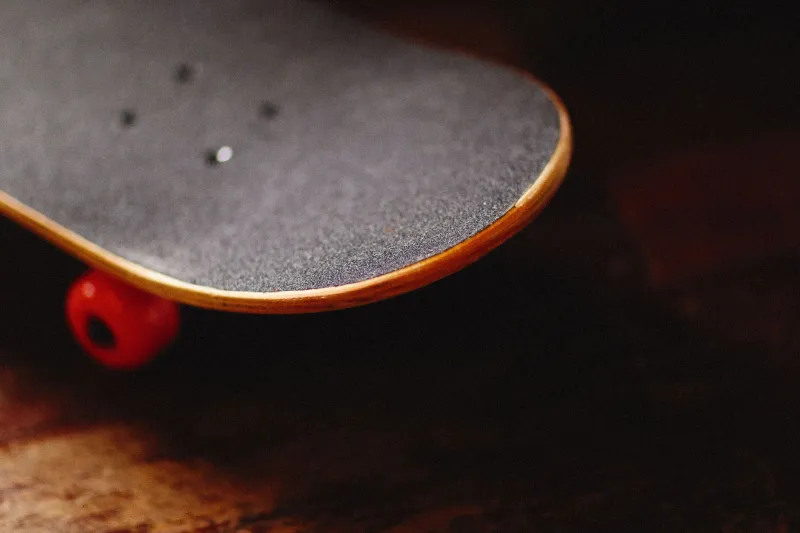
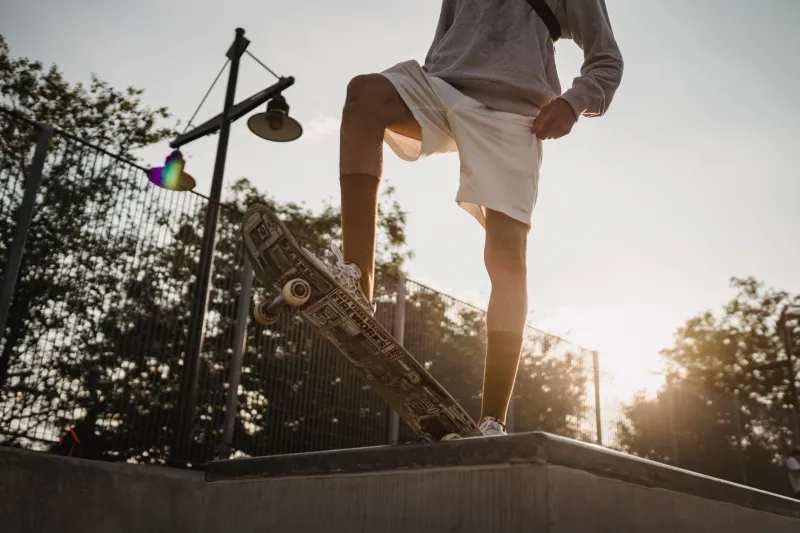
There's a specific kind of pride you'll notice if you spend enough time hanging around street skaters in Osaka or Nagoya. It's not the kind that comes from fresh setups or clean kicks. It's quieter than that. It lives in the worn-down nose of a deck that's been dragged across curbs for eight months, in the smooth center patch of grip tape where a thousand kickflip attempts have left their mark. To a lot of Japanese skaters, that wear pattern isn't a problem. It's a record.
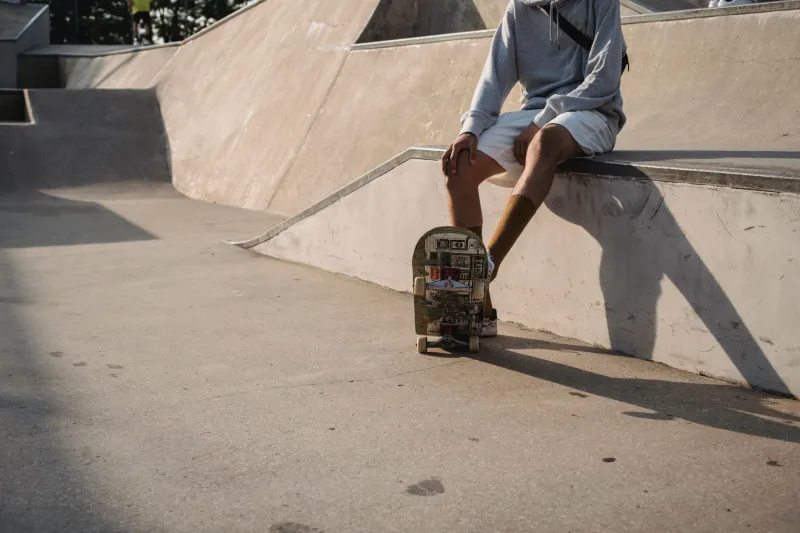
America tends to see it differently. Walk into any core skate shop from Portland to Atlanta and the culture around gear is clear: new is better, and worn-out means it's time to upgrade. Fresh grip, fresh board, fresh wheels — the consumer loop runs fast and the industry is happy to keep it spinning. But a growing number of American riders, many of them deep into Japanese skate content and culture, are starting to ask whether that loop is actually helping them progress. Or if it's quietly getting in the way.
What Worn Grip Actually Does to Your Skating
Here's the thing most skaters don't talk about: grip tape changes over time, and not always for the worse. Brand-new grip is aggressive. It bites hard, it holds your foot in one spot, and it doesn't give you much margin for micro-adjustments mid-trick. As it wears down, the texture softens. Your foot can slide slightly on the board surface, which sounds like a liability until you realize that subtle movement is exactly what some tricks need to breathe.
Tokyo-based skater Hiroshi Namba, who's been riding the streets around Shinjuku for close to a decade, described it this way in a conversation shared through a Japanese skate forum that's been circulating in American communities: "When grip is new, your foot is locked. When it's worn, your foot is talking to the board. You feel more. You make smaller corrections without thinking about it."
That sensory feedback loop is something Japanese skaters talk about openly, but it rarely makes it into American skate media, where product reviews and gear guides dominate the conversation. The idea that degradation could actually enhance feel runs counter to the upgrade narrative, so it tends to get buried.
The 'Make It Work' Mentality and Where It Comes From
Japan's approach to equipment isn't unique to skateboarding. It shows up across the country's sports and craft cultures — the martial arts concept of using a tool until it becomes an extension of the body, the way a master woodworker might keep the same chisel for decades. There's a word that gets cited a lot in these conversations: shokunin, which roughly translates to craftsman or artisan, and carries with it the idea of deep, long-term relationship with your tools.
That philosophy didn't arrive in Japanese skateboarding through some formal cultural transplant. It just kind of fits. Street skating in Japan often happens in spots that require patience — security guards, limited windows, tight spaces. You don't always have the luxury of optimal conditions, so you learn to work with what you have. A board that's slightly chipped. Wheels that are a little flat-spotted. Grip tape that's seen better days. You adapt, and somewhere in that adaptation, you get better.
American skaters, operating in a market flooded with product and shaped by a gear culture that rewards frequent purchasing, don't always get the chance to develop that adaptability. When something feels slightly off, the default move is to replace it. Which means riders are constantly resetting their relationship with their setup instead of deepening it.
What American Riders Are Starting to Notice
This isn't just a theory. Riders across the US who've spent time studying Japanese skate culture — through video content, travel, or just digging into the philosophy — have started experimenting with riding their setups longer before swapping components. The feedback has been surprisingly consistent.
Jordan Reeves, a street skater out of Sacramento who spent three weeks skating in Japan last year, came back with a changed perspective. "I used to replace my grip every two weeks, sometimes sooner if I was skating a lot," he said. "Over there I watched guys skating on grip that looked almost totally smooth in the middle, and they were doing stuff I couldn't believe. I stopped changing mine when I got back, and honestly, my heelflips got more consistent within a month. I think I just stopped fighting the board."
That phrase — stopped fighting the board — comes up a lot in these conversations. There's something about working with worn equipment that forces a rider to be more deliberate, more attuned to the subtle signals the board is sending. You can't muscle through tricks the same way. You have to actually skate.
The Upgrade Trap and What It Costs You
None of this means you should skate a snapped deck or ride wheels down to the core. There's a difference between useful wear and genuinely compromised equipment. But between "brand new" and "destroyed" there's a long middle stretch that most American skaters skip over entirely, and that middle stretch is where a lot of the real learning happens.
The upgrade trap is subtle. Every time you swap in fresh grip, you're essentially starting a new break-in period. Your foot is re-learning the surface. Your brain is recalibrating. If you're doing that every couple of weeks, you're spending a significant chunk of your skate life in that adjustment phase rather than in the zone where your gear feels like a natural extension of your body.
Japanese skaters, by riding through that break-in phase and out the other side, often end up with a deeper mechanical understanding of their boards. They know exactly how much pop they're working with. They know where the soft spots are. They've internalized the setup in a way that's hard to replicate when you're constantly introducing new variables.
How to Actually Apply This
If you want to experiment with this approach, the entry point is simple: just wait. Next time your grip starts looking rough, don't immediately reach for a new sheet. Skate it for another few weeks and pay attention to what changes. Keep a loose mental note of which tricks feel different, which ones actually improve, and how your foot placement evolves.
The goal isn't to skate garbage equipment out of stubbornness. It's to build a more honest relationship with your setup — to understand what it's doing at every stage of its life rather than only knowing it when it's fresh out of the wrapper.
Japanese street skating has always been about reading the environment and working with it rather than against it. The terrain, the obstacles, the conditions — and yes, the gear. That philosophy doesn't require a flight to Tokyo to absorb. It just requires a little patience and a willingness to let your board get some miles on it before you decide it's done.
Your best tricks might be sitting on the other side of that worn-down grip. You just have to stop replacing it long enough to find out.