Rest Is a Trick Too: The Japanese Recovery Philosophy American Skaters Keep Ignoring
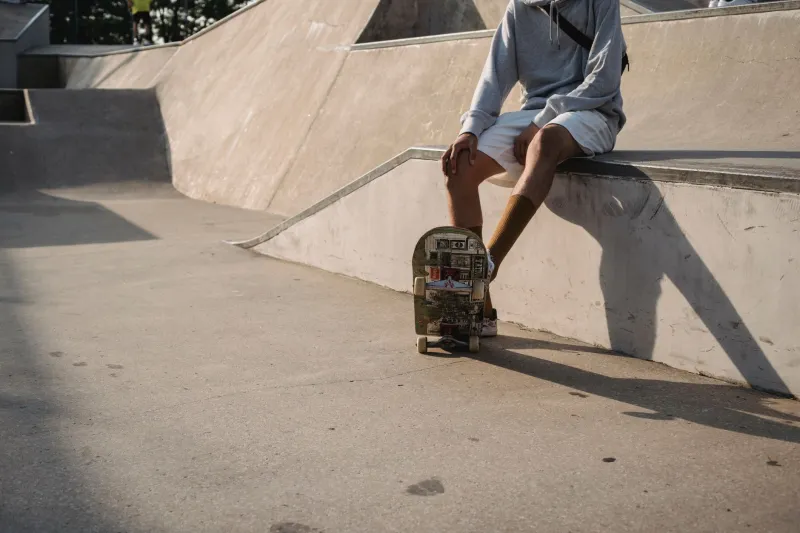
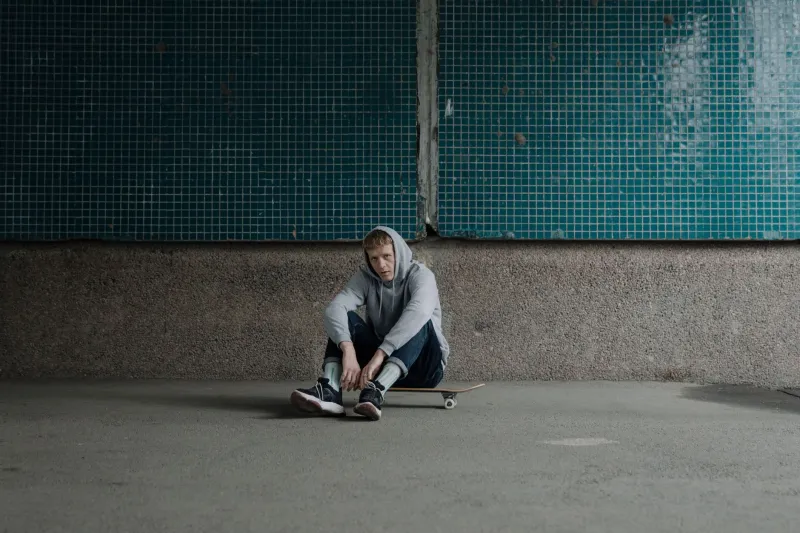
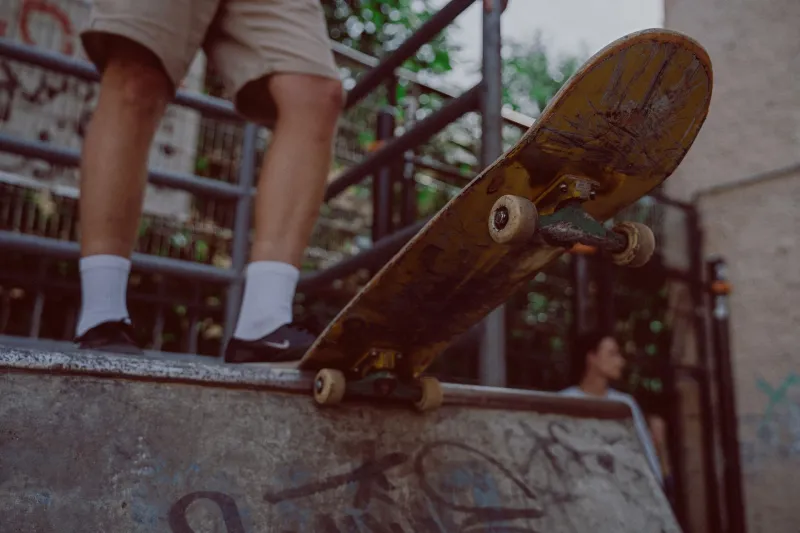
There's a version of skate culture most Americans grew up inside—the one where you skate until your ankles swell, tape your shins over open cuts, and brag about how many hours straight you put in at the park. Pain is the price of progress. Soreness is proof you worked. Rest is for people who don't want it bad enough.
Japan doesn't see it that way.
In Tokyo's skate communities, in the DIY spots tucked under expressways in Osaka, and among the competitive street skaters training in Nagoya, recovery isn't a passive thing that happens when you stop moving. It's an active practice—something you do with the same focus you bring to your kickflips. And increasingly, American skaters who've spent time around Japanese crews or studied the culture from a distance are quietly adopting this mindset and wondering why it took them so long.
The 'No Pain, No Gain' Trap
The American skate ethic borrows heavily from broader sports culture—and broader American work culture—where suffering signals seriousness. If you're not hurting, you're not trying. The hours you log matter more than the quality of what happens inside them. It's a framework that produces some incredible skaters. It also produces a lot of burned-out, chronically injured riders who plateau in their mid-twenties and spend the rest of their lives talking about what they used to be able to do.
Japanese skate culture operates on a different assumption: your body is a long-term investment, not a resource to be depleted. The goal isn't to see how much punishment you can absorb in a single session—it's to keep skating at a high level for as many years as possible. That reframe changes everything about how recovery fits into the picture.
It's not laziness. It's strategy.
Active Recovery, Japanese Style
What does recovery actually look like when it's treated as seriously as training? In Japan, it tends to involve a few consistent elements that American skaters often skip entirely or treat as optional extras.
Stretching as ritual, not afterthought. Japanese athletic culture—shaped in part by deep roots in martial arts and physical education traditions—treats flexibility work as foundational rather than supplemental. Skaters in Japanese crews are often seen doing extended cool-down stretches after sessions, focusing on hip flexors, ankles, hamstrings, and lower back. Not a quick thirty seconds before they pack up. Real, deliberate mobility work that can run fifteen to twenty minutes. The philosophy draws from concepts similar to those used in budo—the idea that the body should return to a neutral, prepared state after exertion, not just collapse into rest.
Onsen and cold exposure. Japan's hot spring culture—onsen—is centuries old, and its benefits for muscle recovery are something Japanese athletes have understood intuitively for generations. Heat increases circulation, loosens connective tissue, and accelerates the flushing of metabolic waste from worked muscles. Many Japanese skaters, particularly those training seriously, also incorporate cold water exposure—cold baths, cold showers, even contrast therapy moving between hot and cold—to reduce inflammation and speed up the body's return to baseline. This isn't fringe biohacking in Japan. It's just Tuesday.
Sleep as a performance variable. In American skate culture, late nights are practically part of the aesthetic. Film the session, edit the clip, post it at 2 AM, repeat. Japanese skaters—especially those competing or training with serious coaches—are more likely to treat sleep the way a professional athlete treats nutrition: something to be optimized, not sacrificed. Eight hours isn't soft. It's how you show up ready to actually progress the next day.
What American Riders Found When They Made the Switch
Danny Reyes, a street skater out of Phoenix who spent three months skating with a crew in Osaka, came back with a different relationship to rest days. "I used to feel guilty taking a day off," he said. "Like I was falling behind somehow. Over there, the guys I was skating with were adamant about it. One day on, one day off sometimes. And they were skating harder on their 'on' days than I'd ever seen anyone skate."
Reyes started building mandatory rest days into his schedule when he got home—not passive couch days, but active recovery: light stretching, walking, the occasional cold shower. Within two months, he said his consistency on technical tricks improved noticeably. "I stopped landing things once and never again. Things started sticking."
Similar stories are surfacing across the US skate scene as more riders engage with Japanese skate content online, travel to Japan, or connect with Japanese-American skaters who carry these habits naturally. The pattern is consistent: less accumulated fatigue means higher quality reps, which means faster actual progression.
The Longevity Argument
Here's the part that tends to land hardest for American skaters in their late twenties and beyond: recovery isn't just about skating better next week. It's about skating at all in ten years.
Chronic ankle issues. Persistent knee inflammation. The kind of hip and lower back problems that quietly accumulate from years of hard falls and zero mobility work. These aren't inevitable consequences of skating—they're often consequences of how American skate culture treats the body. Japanese skaters who maintain rigorous recovery practices tend to skate well into their thirties and forties at levels that would be considered exceptional in the US context.
There's a word in Japanese—jizoku—that roughly translates to sustainability or continuance. It shows up in conversations about business, about environmental practice, about how you structure your life. In skating, it's the quiet principle underneath the recovery culture: build something that lasts. Skate in a way that keeps you skating.
Building Your Own Recovery Practice
You don't need access to an onsen to apply this. The core principles translate directly to an American context.
Schedule rest days the way you schedule skate sessions—with intention, not as a default when you're too tired to move. Do fifteen to twenty minutes of mobility work after every session, focusing on the joints that took the most stress. Experiment with contrast showers: two minutes hot, thirty seconds cold, repeated a few cycles. Prioritize sleep over the late-night edit grind at least four nights a week. And stop treating soreness as a scoreboard.
The tricks will still be there tomorrow. So will the park. The question is whether your body will be ready to do something useful when you get there.
Japan figured this out a long time ago. American skate culture is catching up—one rest day at a time.