Waste Nothing, Skate Everything: How the Japanese 'Mottainai' Mindset Is Reshaping American Skate Culture
Walk into any American skate shop on a busy Saturday and you'll see the same ritual play out. A kid peels a brand-new deck off the wall, slaps it down, and two weeks later it's in the trash — waterlogged, razor-tailed, maybe a little chipped on the nose. No ceremony, no second thought. Onto the next one.
Now picture a skater in Osaka. Same deck, same two weeks, same wear. But instead of tossing it, he's already pulled out a fine-grit sanding block, touched up the tail, re-gripped the worn section near the bolts, and figured out exactly how many more sessions he can pull from it before it genuinely calls it quits. That's not frugality. That's mottainai.
What Mottainai Actually Means
The word doesn't translate cleanly into English, which is part of why it hits so differently when you actually feel it. Mottainai (もったいない) is a Japanese concept rooted in Buddhist thought — it's the specific feeling of regret or shame you get when something of value is wasted. Not just financial value. The time someone spent making it. The resources that went into it. The potential it still has.
In everyday Japanese life, mottainai shows up everywhere. Food scraps become stock. Old clothing gets repaired rather than replaced. Packaging gets folded and saved. It's not about being cheap — it's about recognizing that things carry worth beyond their obvious surface function, and that discarding them carelessly is a kind of disrespect.
Apply that lens to skateboarding, and suddenly a lot of American skate habits start to look pretty wasteful.
The Throwaway Problem in US Skate Culture
American skate culture has always had a complicated relationship with gear consumption. Part of it is marketing — brands want you buying new stuff, and the industry is built around that cycle. Part of it is the DIY, destroy-everything ethos that's baked into street skating's DNA. Boards are meant to get wrecked. That's kind of the point.
But there's a difference between a deck that's genuinely dead and one that just looks like it's been ridden hard. A lot of American skaters toss boards that still have real life in them — because the graphic is gone, because the tail feels a millimeter shorter than fresh, or honestly just because a new colorway dropped that week.
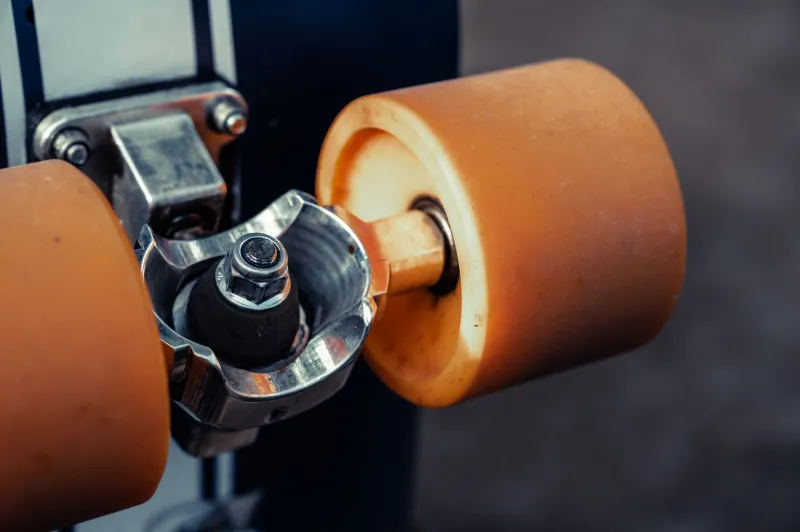
Bearings get replaced when they could be cleaned. Wheels get retired when they could be rotated. Trucks go in the bin when a simple axle nut tightening and a fresh set of bushings would've brought them back to life. The cumulative cost — financial and environmental — is significant.
How Japanese Skaters Actually Do It
Japanese street skaters, particularly in cities like Tokyo, Osaka, and Nagoya, have historically operated with a different set of constraints. Skate gear isn't always as accessible or affordable relative to local wages, and the culture around craft and maintenance runs deep. That combination has produced a generation of riders who are genuinely skilled at extending the life of their equipment.
Bearing maintenance is probably the clearest example. In Japan, it's not unusual for a skater to carry a small kit — solvent, a pin tool, light machine oil — and clean their bearings every few weeks. Fifteen minutes of work can add months to a set of bones. Most American skaters have never even popped their bearing shields open.
Deck care is another one. Japanese riders often store boards vertically, away from humidity, and use light sandpaper to clean grip tape rather than buying a fresh sheet every few weeks. When a tail starts to razor, some will reshape it slightly rather than immediately retiring the whole board. The deck becomes a long-term relationship rather than a disposable tool.
Wheel rotation — moving front wheels to the back and vice versa to even out wear — is standard practice. Trucks get tuned, not trashed. Hardware gets checked. It sounds basic, but it's remarkable how few American skaters actually do any of this consistently.
The Wallet Argument (Because It's Real)
Let's be honest for a second. Skateboarding is expensive. A complete setup can easily run $150 to $200 or more if you're buying quality components. If you're replacing your deck every two to three weeks, your bearings every couple months, and your wheels whenever they get a flat spot, you're easily spending over a thousand dollars a year just to keep skating.
Apply even a basic mottainai approach — proper storage, regular bearing cleaning, strategic wheel rotation, knowing the actual difference between a dead deck and a well-used one — and that number drops substantially. Some Japanese-influenced skaters in the US who've adopted this mindset report cutting their annual gear spend nearly in half without any noticeable drop in performance.
That's money that stays in your pocket, or gets redirected toward a better-quality component you actually need.
The Environmental Side Nobody Talks About
Skateboards are mostly made from Canadian maple, urethane, and various metals and synthetic materials. None of that is particularly eco-friendly to produce, and most of it ends up in landfills. The skate industry doesn't talk about this a lot — it's not great for business — but the environmental cost of throwaway skate culture is real.
Mottainai thinking reframes that calculation. Every extra month you get out of a deck is one less deck manufactured and discarded. Cleaned bearings mean fewer steel components in the trash. Maintained trucks mean less aluminum waste. It's not going to save the planet on its own, but it's part of a larger cultural shift toward sustainability that a lot of younger American skaters are genuinely interested in — they just haven't had the framework for it.
Japanese skate culture, almost accidentally, provides exactly that framework.
Bringing It to Your Local Spot
You don't need to book a flight to Tokyo to start skating with a mottainai mindset. It starts with a few small habit changes.
Learn to clean your bearings. There are solid tutorials online and the whole process takes about twenty minutes with cheap supplies. Rotate your wheels every few sessions. Store your board somewhere dry and climate-controlled — the back of a car in summer heat is a deck killer. Before you decide a component is done, ask yourself honestly: is it actually dead, or does it just feel old?
And maybe most importantly, slow down the consumption cycle. Buy quality, buy less frequently, and actually use what you have until it genuinely needs replacing. That's not a sacrifice — that's skating smarter.
The Bigger Picture
Mottainai isn't a trend. It's a deeply held cultural value that has survived centuries because it reflects something true about the relationship between people and the things they use. Japanese skaters didn't invent sustainable riding culture — they just inherited a broader philosophy that happens to apply beautifully to it.
American skate culture is loud, fast, and always chasing the next thing. That energy is part of what makes it great. But there's room for a different kind of discipline alongside it — one that respects what you already have, extends its life as far as it'll go, and skates every last session out of it before letting it go.
Waste nothing. Skate everything. That's the move.