Dead Time or Deep Work: The Japanese Pause That's Making American Skaters Rethink Every Attempt
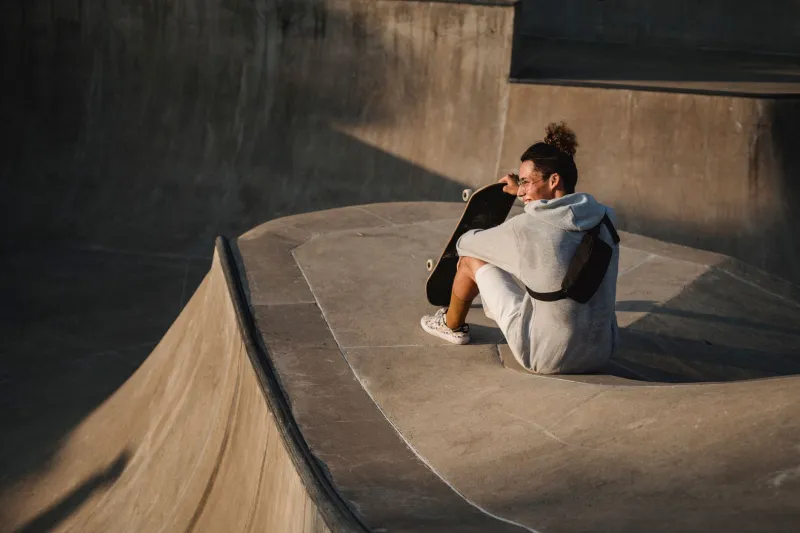
Watch a session at your local park long enough and you'll clock the rhythm almost immediately. Skater walks back to the top of the run, barely catches their breath, and drops in again. Miss the trick, roll out, turn around, try again. Rinse, repeat. The whole thing looks like a music video shot at 1.5x speed—relentless, energized, and somehow exhausting just to observe.
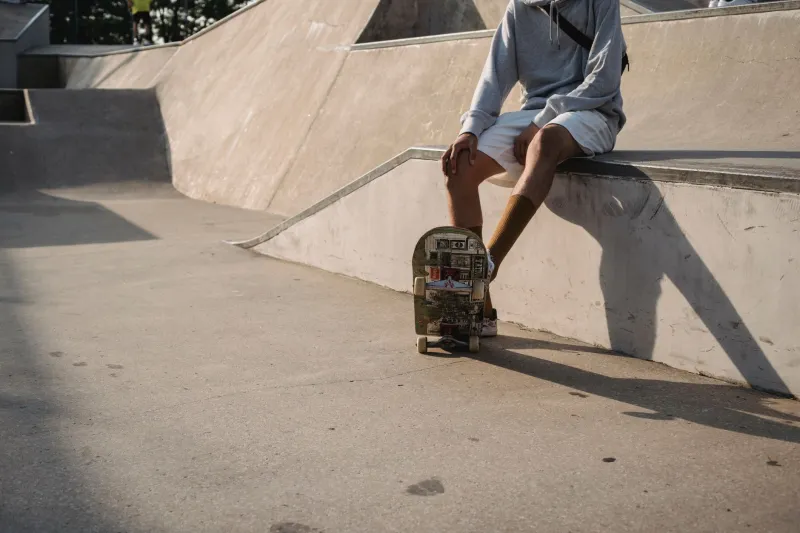
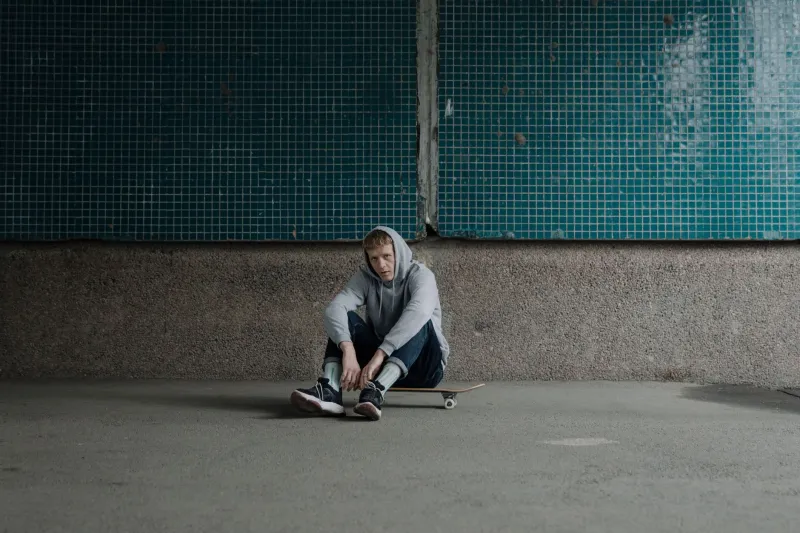
Now pull up footage from a Tokyo street session or a Osaka indoor freestyle clinic. Something feels different. Riders attempt a line, land or don't, then just... stop. They stand there. They breathe. Sometimes they crouch down. A minute passes. Maybe two. Then they go again.
To American eyes, it can look like hesitation. Like doubt. Like they're scared to commit. But those riders are doing something deliberate—something that a growing body of sports science and psychology is starting to validate in a big way.
The Myth of Momentum
There's a deeply American idea baked into how most of us learned to skate: momentum is everything. Keep the energy up, stay in the zone, don't let the session go cold. Coaches in the US, whether formal or just the older guy at the park who took you under his wing, tend to push the same line: more reps equals more learning. Grind it out. Walk it off. Go again.
This mindset isn't baseless. Repetition matters. Volume matters. But the idea that maximum repetition always produces maximum learning? That part is shakier than it sounds.
Japanese freestyle culture—rooted in disciplines that value precision over spectacle, and process over performance—operates on a different assumption. More attempts don't automatically mean more progress. What happens between attempts might matter just as much as the attempts themselves.
What's Actually Happening in That Pause
Here's the physiology. Every time you attempt a complex trick—a technical flip, a grinds-to-manual combo, anything that demands fine motor coordination—your nervous system is doing heavy lifting. Signals fire between brain and body at speeds you can't consciously track. When you land something, those neural pathways get reinforced. When you don't, your nervous system still records the attempt, for better or worse.
The problem with stacking attempts too quickly is something researchers in motor learning call acute fatigue interference. Basically, your nervous system hasn't finished processing the last attempt before you're already loading it with the next one. The signal gets noisy. The feedback loop your brain needs to actually learn from the miss? Interrupted.
Extended rest intervals—and we're talking 60 to 120 seconds of genuine stillness, not just rolling back to the top—give the nervous system time to consolidate what just happened. Motor memory researchers call this the spacing effect, and it shows up consistently across athletic disciplines: distributed practice with rest intervals between attempts tends to produce more durable skill acquisition than massed practice where you just hammer reps back to back.
Japanese skaters aren't reading neuroscience journals between sessions. But the culture has arrived at something functionally similar through a different path—one that values observation, reflection, and intentional action over raw hustle.
The Mental Side Nobody Talks About
Beyond the physiology, there's a psychological layer that American skate culture tends to gloss over: what you're thinking about during the pause is as important as the pause itself.
In the Japanese approach, that stillness isn't passive. Riders use it to mentally replay the attempt—visualizing what went wrong, feeling where the body was off-axis, mentally rehearsing the correction before physically executing it. This kind of structured mental review between attempts is something sports psychologists have studied extensively in high-performance contexts, from gymnastics to golf. Athletes who engage in active mental rehearsal during rest intervals show measurably better skill transfer than those who simply wait.
Compare that to the American default: you blow the trick, you skate back, you're already thinking about the next try before you've fully processed what happened on the last one. You're running on instinct and adrenaline. Sometimes that works. But it also means you can spend an entire session repeating the same mistake at high intensity without ever actually diagnosing the problem.
Injury Math
There's another angle here that's harder to ignore: safety.
Most skate injuries don't happen on the first attempt of a session. They happen later, when fatigue has accumulated, reaction time has slowed, and the rider is running on stubbornness rather than fresh muscle. The American push-through mentality—the idea that stopping feels like quitting—actively increases the window of injury risk.
Longer inter-attempt rest periods reduce cumulative fatigue load across a session. They give tendons, ankles, and wrists micro-recovery windows that add up over time. Japanese freestyle culture, which often emphasizes longevity in the sport—still-active riders in their 30s and 40s are not unusual—treats the body less like a machine to be pushed to maximum output and more like an instrument that needs tuning.
In American skate culture, veteran riders who've stayed healthy tend to have quietly figured this out on their own. They just don't always talk about it in those terms.
Trying It Without Feeling Like You're Wasting Time
The hardest part of adopting this approach in an American context isn't the technique—it's the culture. Standing still at a park while other people are actively sessioning feels weird. It can feel lazy. Someone will say something.
But there's a reframe that helps: think of the pause not as downtime but as part of the attempt itself. The rest interval is where the learning actually gets locked in. You're not waiting to try the trick again—you're finishing the process that the physical attempt started.
Practically, it looks like this: after an attempt, step away from the spot. Don't stand in the line. Give yourself 90 seconds minimum—use your phone timer if you have to. Spend the first 30 seconds letting your breathing settle. Spend the next 60 mentally running through what you felt, what the correction is, and what the successful version looks like. Then go.
You'll probably do fewer attempts per session. You'll almost certainly land more of them.
The Bigger Idea
What Japanese freestyle culture is really offering here isn't a trick tip. It's a different relationship with effort—one where stillness isn't the opposite of progress, but part of it.
American skate culture has built incredible things on the foundation of relentless pushing. But there's a ceiling to what raw repetition can unlock. The riders who figure out how to work with their nervous system instead of just loading it with more and more data are the ones who keep improving when everyone else plateaus.
The silence between attempts isn't dead time. It might be where the real work happens.