Film It Once, Film It Right: Why Japanese Skate and BMX Videos Are Still Getting Watched a Decade Later
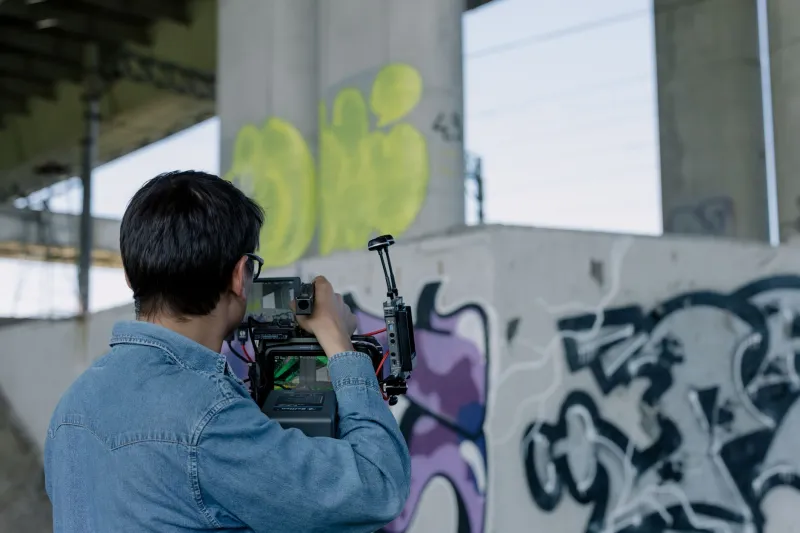
Open YouTube and search for a Japanese BMX street edit from around 2012. Find one from a smaller crew, not a big brand production — just riders, a filmer, and whatever city they were working in that week. Watch it.
Now do the same thing with an American edit from the same era. Same rough production tier, same type of crew.
The difference is hard to miss. The Japanese edit probably still feels watchable — maybe even good. The American one is likely buried under a layer of trend sediment: the era's specific color grading, the music choices that were everywhere for six months then disappeared, the editing cadence that was cutting-edge in 2012 and now reads as a specific timestamp in internet history.
This isn't a knock on American filmmakers. Some of the most technically skilled action sports cinematographers in the world are working in the US. But there's a philosophical gap between the two approaches that goes deeper than technique — and understanding it might be the most useful thing a rider or filmer can do right now.
The Algorithm Is Not Your Audience
American skate and BMX content in the social media era has been increasingly shaped by platform logic. Short attention spans, trending sounds, quick-cut editing, color grades that pop on mobile screens, hooks in the first three seconds. These aren't bad instincts for building reach. They're legitimate responses to how distribution actually works in 2024.
But platform logic changes constantly, and content built to satisfy it ages at the same speed. The edit that was perfectly optimized for the algorithm in 2022 is already showing its age. The techniques that felt fresh are now signals of a specific moment that has passed.
Japanese skate and BMX filmmakers — at least the ones producing the content that keeps getting re-shared years later — have largely resisted this pull. Not out of ignorance of how platforms work, but out of a different set of priorities. The goal isn't reach on day one. The goal is something that's still worth watching on day one thousand.
What "Minimal" Actually Means in Practice
When people describe Japanese action sports video aesthetics as "minimal," they sometimes mean it as a compliment that doesn't quite capture what's actually happening. It's not minimalism for its own sake. It's restraint in service of the riding.
Long clips. Real time, or close to it. Camera movements that follow the rider rather than cutting around them. Music that sits underneath the action rather than competing with it. Color grades that look like places rather than moods. Transitions that exist because the edit needs to move, not because the filmer wanted to show off a technique.
The result is that you actually see what the rider is doing. Not a curated highlight reel of the most visually explosive moments, but the actual shape of a trick — the setup, the execution, the landing, sometimes a few feet of rolling away. That's information. And it's information that both other riders and general viewers can actually absorb.
Akira Yamamoto, a Tokyo-based BMX filmer who has been shooting street content for over fifteen years, described it this way in a 2022 interview with a Japanese action sports publication: "If I cut away before the landing, I've hidden something. The landing is part of the trick. The roll-away is part of the trick. If I'm cutting to hide something, I should ask myself why I'm hiding it."
The Patience Problem
The reason most American edits don't take this approach isn't laziness. It's that the approach requires a kind of patience that's genuinely hard to maintain when your metrics are updating in real time.
Posting a long, slow-paced edit and watching it get modest engagement in the first 48 hours while a quick-cut trending-audio clip from a comparable crew blows up — that's a psychologically difficult experience. The market signal is clear and immediate: the algorithm rewarded the other thing.
Japanese crews operating in a slightly different content ecosystem, with different platform pressures and a different relationship to virality as a metric of success, have more room to absorb that discomfort. They're often building for a smaller, more dedicated audience rather than trying to hit the widest possible reach. And that audience tends to be more loyal, more engaged, and more likely to come back.
A video that gets 40,000 views but keeps getting shared and discussed for five years has more actual cultural impact than a video that hits 400,000 views in a week and gets forgotten by the following month. That's not a comfortable argument to make when you're watching the numbers in real time, but it's a defensible one when you zoom out.
What American Riders and Filmers Can Actually Do
None of this means American skate and BMX content needs to wholesale adopt Japanese aesthetics. That would produce its own kind of inauthenticity. But there are specific decisions that American filmers and riders can make right now that pull content toward durability and away from trend dependency.
Film longer clips and cut less. Let the landing live in the edit. Choose music that doesn't have a six-month expiration date. Resist the color grade that's everywhere right now, because that grade will become a timestamp. Film locations that look like themselves, not like a mood board.
And maybe most importantly: make the edit for the rider's progression, not for the algorithm's appetite. Document something real. The footage that holds up longest is almost always footage that was trying to capture something genuine rather than something viral.
Your best riding deserves to still be watchable in ten years. Film it like it does.